

white label digital marketing is when one company does the actual marketing work — SEO, ads, content, social — and another company sells that work to its own clients under its own name. The client sees your logo on the report. They never know someone else built it.
If you run an agency, you’ve probably already used this model without calling it that.
Key Takeaways
- White label digital marketing lets you offer more services without hiring anyone new.
- A white label marketing agency does the actual work; you keep the client relationship and the invoice.
- White label digital marketing services usually cover SEO, PPC, social media, content, and web design.
- Becoming a white label reseller is one of the fastest ways to grow revenue without growing payroll.
- Every report, invoice, and email your client sees carries your brand — not your partner’s.
- The real risk isn’t the model itself. It’s picking a fulfillment partner who drops the ball.
- Most agencies test the waters with one service, usually SEO, before rolling out full white label digital marketing services.
What Is White Label Digital Marketing, Really?
Strip away the buzzword and it’s a pretty old idea borrowed from retail. Grocery stores have sold “store brand” cereal made in someone else’s factory for decades. White label digital marketing works the same way — just swap the cereal for SEO campaigns.
A white label marketing agency handles the strategy, the execution, and the reporting behind the scenes. You handle the client relationship, the sales conversation, and the invoice. The client signs a contract with you. As far as they know, you did the work.
This isn’t some fringe tactic, either. A 2024 HubSpot State of Marketing survey found that more than 60% of small agencies outsource at least one core service just to stay competitive without ballooning their headcount. So if you’ve been considering it, you’re not behind the curve — you’re right on time.
How Does White Label Digital Marketing Actually Work?
In practice, it comes down to four moving parts:
- You sell the service. A client asks for SEO, ads, or social media help, and you say yes.
- You hand it off. Your white label marketing agency partner gets the brief and gets to work.
- They deliver it under your name. Reports, dashboards, even email signatures — all branded as yours.
- You stay the point of contact. The client only ever talks to you. The partner stays invisible.
That’s the whole appeal, really. This is exactly why white label digital marketing services have become such a popular shortcut for agencies that want to say “yes” to more client requests without the six-month runway of hiring and training someone new.
Why Do Agencies Bother Partnering With a White Label Marketing Agency?
A few reasons keep coming up when agency owners talk about this:
- You can scale fast. New service request comes in? You say yes today, not “let me hire someone and get back to you in Q3.”
- You’re not stuck with a bad bet. No full-time salary commitment for a service you’re still testing demand for.
- You get real specialists. A good white label marketing agency has usually gone deep on one channel — technical SEO, paid ads, whatever — deeper than a generalist you’d hire in-house ever would.
- The margins are better than you’d think. You mark up the fulfillment cost, keep the spread, and skip the overhead of employment altogether.
Clutch’s 2023 agency survey backed this up with numbers: agencies using outsourced fulfillment onboarded clients 23% faster, on average, than agencies trying to build every service in-house.
White Label Digital Marketing vs. In-House: How Do They Actually Compare?
| Factor | White Label Digital Marketing | In-House Marketing Team |
|---|---|---|
| Setup time | Days to weeks | Months of hiring and training |
| Cost structure | Pay-per-project or monthly retainer | Fixed salaries plus benefits |
| Service range | Broad — partners often cover multiple channels | Limited to whoever you’ve hired |
| Scalability | Easy to flex up or down with demand | Slow and expensive to adjust |
| Quality control | Only as good as your partner | Direct, hands-on oversight |
| Brand exposure | None — fully white-labeled | N/A, it’s already your team |
Nobody’s saying in-house is bad. But this table is basically why so many growing agencies lean on white label digital marketing services in the early years, before they have the client volume to justify a full internal department.
What’s Actually Included in White Label Digital Marketing Services?
Most providers offer some combination of:
- SEO — technical, local, and content-driven
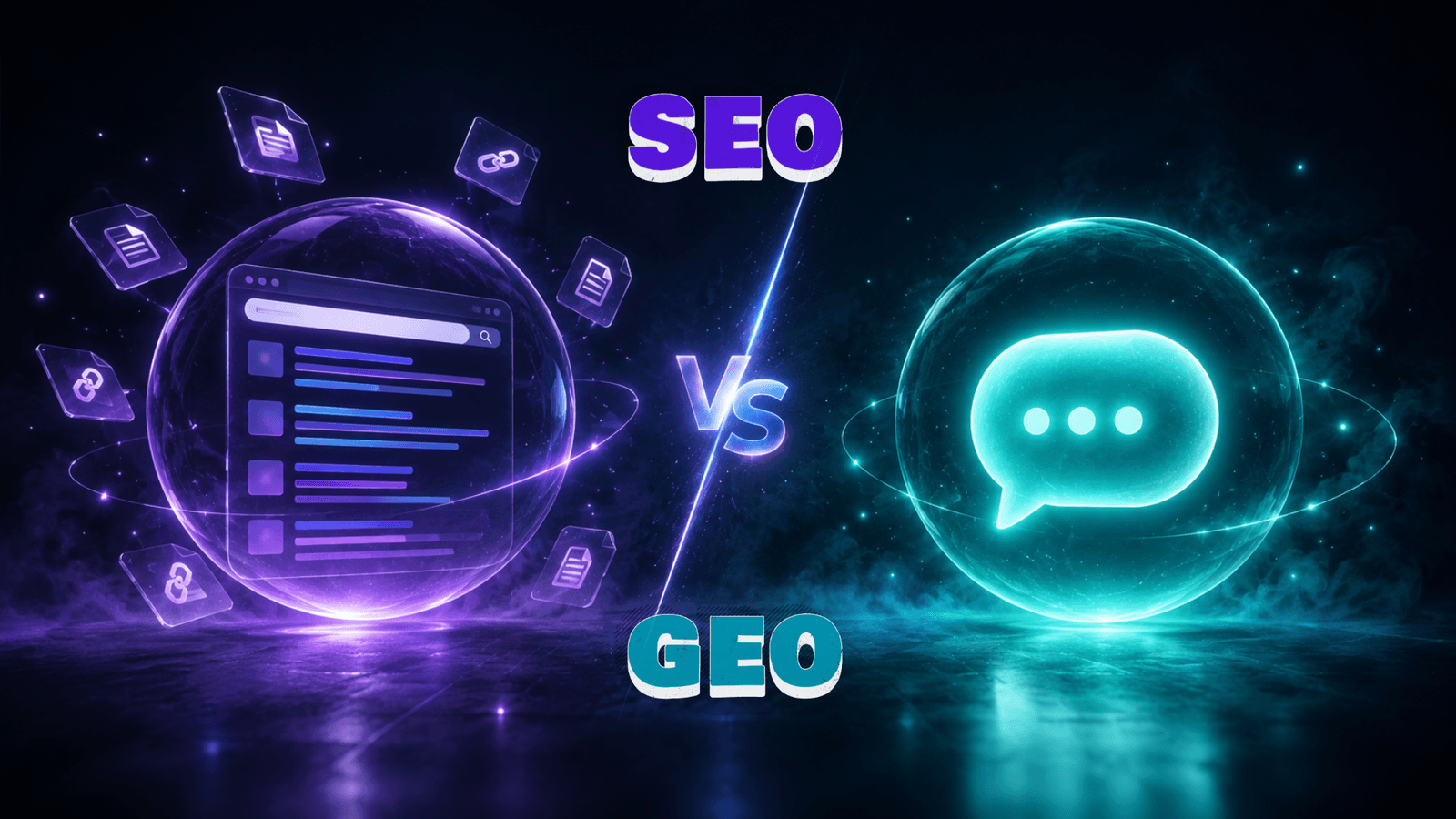
- Answer engine optimization (AEO) and generative engine optimization (GEO), for showing up in AI search results
- PPC and paid social advertising
- Social media management and content scheduling
- Google Business Profile (GMB) management
- Content writing and copywriting
- Graphic design and branding
- Website design and development
You don’t have to take the whole menu. Plenty of agencies start with one or two services and bundle more into their white label digital marketing package once the first one proves itself.
Who Actually Should Become a White Label Reseller?
Honestly, more people than you’d think:
- Freelancers who want to offer more without doing all of it themselves
- Small agencies trying to widen their service list without a hiring spree
- Consultants who love strategy but have zero interest in execution
- Web design or IT firms looking for a new revenue line that doesn’t require learning marketing from scratch
If you already have the client trust, becoming a white label reseller is just a way to monetize that trust across more services — faster than building a new department ever could.
How Do You Pick the Right White Label Marketing Agency Partner?
Not all providers are created equal, and this is where agencies get burned. Before you sign anything, look for:
- Real case studies. Ask for actual, verifiable results — not glowing testimonials with no data behind them.
- Reporting you’d be proud to show. You need dashboards you can put in front of your own clients without wincing.
- Turnaround times that hold up. Their delay becomes your problem the moment the client asks where things stand.
- Pricing with no surprises. Hidden fees eat straight into your margin.
- Genuine white-label branding. No logos, watermarks, or footers that give the game away. Confirm this before you commit, not after.
The right partner should feel like an invisible extension of your own team — not one more thing you have to babysit.
How Do You Verify a White Label Digital Marketing Partner Is Actually Legit?
A little due diligence here saves you a lot of grief later:
- Ask for a sample report. A legit provider will happily show a redacted example from a past client.
- Get a signed NDA and white-label agreement. This is what actually protects your brand confidentiality — not a handshake.
- Ask about client retention. High churn on their end is a warning sign about quality, even if their pitch sounds great.
- Start small. Run one test project before you commit to full white label digital marketing services across your client list.
- Nail down response times up front. Know exactly how fast they’ll respond when a client issue turns urgent — before you’re relying on them in a crisis.
Most agency partnerships that fall apart in the first three months skipped exactly this step.
FAQ
Is white label digital marketing legal and ethical? Yes. It’s a standard business practice used well beyond marketing — manufacturing and software do it constantly. As long as the agency delivers what it promised, the client isn’t harmed by not knowing who did the work.
How much does white label digital marketing cost? It varies quite a bit by service and provider. Most white label digital marketing services are priced hourly, per project, or as a monthly retainer, and you’ll typically see anywhere from $500 to $5,000+ a month depending on scope.
Can a white label reseller set their own pricing? Yes, entirely. A white label reseller controls everything the client sees, including pricing, and can mark it up as much as the market will bear since the client never sees the wholesale rate.
What’s the difference between white label and private label marketing? White label means the same service gets sold to multiple resellers under different brand names. Private label means the work is built exclusively for one reseller and isn’t offered to their competitors.
How do I actually find a reliable white label marketing agency? Look for one with case studies you can verify, reporting that’s clean enough to hand straight to a client, clear response-time commitments, and a real white-label agreement protecting your brand confidentiality — not just a verbal promise.
Does white label digital marketing actually work for small agencies? If anything, small agencies benefit the most. It’s how a two-person shop competes with a 50-person agency, without needing a 50-person payroll to do it.
Conclusion
At the end of the day, white label digital marketing is just a smarter way to grow — you expand what you offer, protect your margins, and skip the overhead of hiring specialists for every single channel. Whether you’re testing your first white label reseller partnership or adding a full slate of white label digital marketing services to something you’ve already built, the model only works as well as the partner you choose. Pick one with real results, honest communication, and a genuine commitment to keeping your brand front and center.